


Table of Contents
Hoi An has a long history
Hoi An served as a major port city for more than 2000 years, growing from a small 2nd century Sa Huynh trading post into a powerful international trading center by the 16th century. It operated as the spice trading center of the Hindu Cham Kingdom, as a settling point for Ming Dynasty merchants and soldiers from China, and has hosted international trade between the Arab, European, and Asian worlds for centuries. The influx of money and goods, humans and ideas, have cooked Hoi An into a melting pot. Cham, Vietnamese, Chinese, Japanese, and European influence all bubble at the surface here.

Declared a UNESCO World Heritage Site in 1999, the ancient core of the city has retained its original architecture and urban planning. The wooden houses and quaint storefronts are painted a moody yellow, bougainvillea vines bursting from French balconies. Cobbled streets wind alongside canals. Women in ao dai bicycle beneath dangling colored lanterns. Young couples stroll along the Thu Bon River, where merchant ships once sailed laden down with worldly goods and adventure.
Learn Culture Through Immersion
Explore Hoi An’s dynamic history through its architecture. Dainty French balconies hang beside ornate Chinese temples. Buddhist temples are scattered through the city and a collection of Hindu temples lie along its outskirts. Spend the morning on a beach with modern comforts within reach and then cycle through rice paddies towards Cam Nam Island where rural life goes on much as it has for generations.

The Old Town (also known as the Ancient Town) is arguably the most important cross-section of Hoi An. Though people talk about the Old Town as though it was an outdated museum of Vietnam “frozen in time,” it’s important to remember that the Old Town is very much a real place, where people have preserved their habits and customs in a way that feels surprisingly authentic. It’s fun to visit by day, people-watching while sipping on coffee. But the Old Town comes to life at night, when the quarter glows with soft lantern light and laughing families lean their bicycles against faded yellow paint to snack on street food and watch the river.
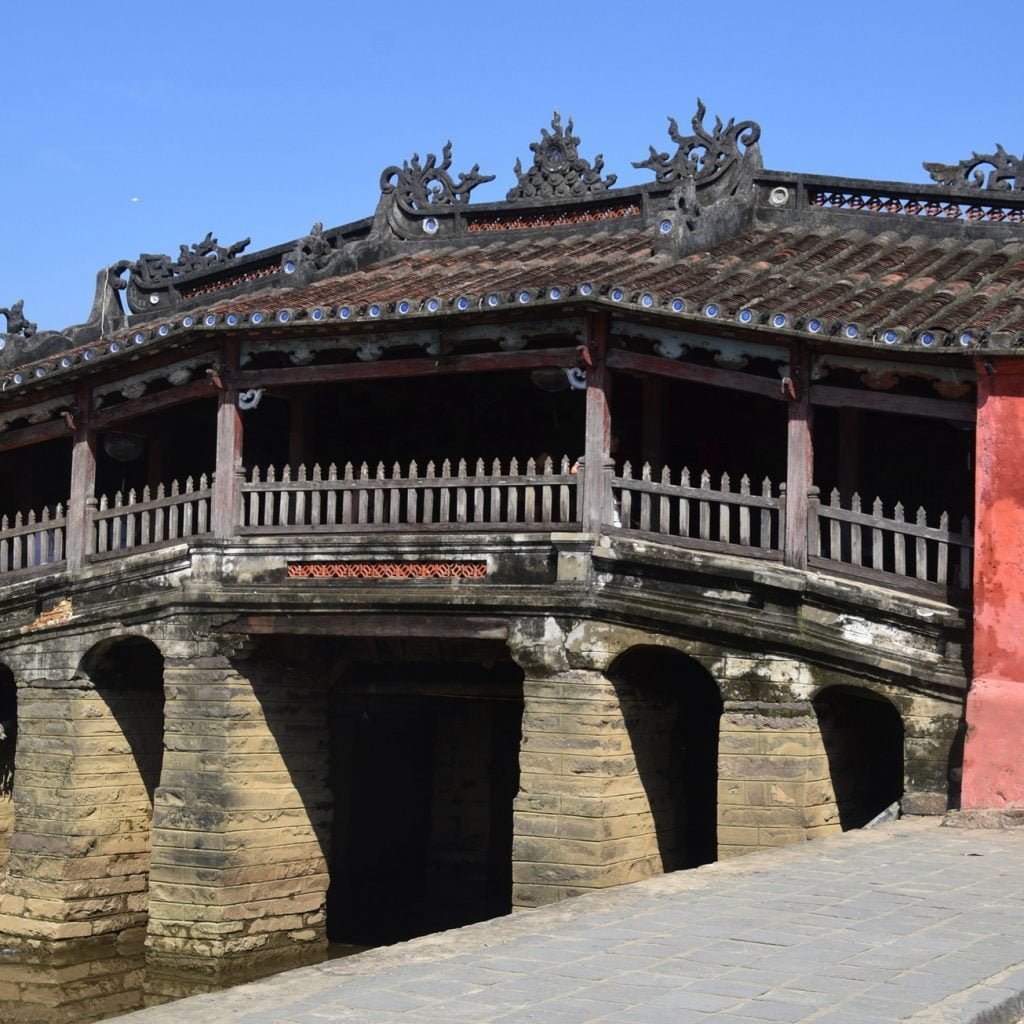
At the center of the Ancient Town is the Japanese Bridge, so relevant to the city’s heritage that it’s depicted on the 20,000 VND note. The Japanese Bridge is the only covered bridge in the world to house a Buddhist temple and remains a central spiritual landmark outside of its tourist draw.

The ancient houses of Hoi An are where architectural influences meet. Tan Ky is one of the most famous among these. Built in the 18th century, Tan Ky remains a private home with the descendants of its original family living upstairs. The spectacular bottom floor draws diplomats and politicians alongside ordinary travelers into its magic. It’s possible to visit independently to marvel at the home’s ornate antiques and carvings, but booking a tour is the best way to understand the seven generations of history that flourished here. A tour guide can also ensure guests don’t miss details like poetry written in mother-of-pearl inlays and symbolic architecture representing the philosophical relationships between heaven and earth.
Assembly Halls continue the journey. The Phuc Kien Assembly Hall is the most famous among them. Constructed as a community space and spiritual sanctuary for a Chinese migrant community in the 17th century, the Phuc Kien Assembly Hall continues to serve as a spiritual center for locals. Walk through the towering front gateway under carvings of Chinese mythology into a central courtyard where Vietnamese women pray for fertility amidst a pantheon of statues of Chinese mythological figures and midwives.
Head to any museum to go deeper. The Museum of History and Culture is a good place to start for a more comprehensive understanding of two thousand years of history. Other museums, like the Museum of Trade Ceramics and the Museum of Folklore, honor traditional handicrafts like pottery and traditional performance.
Ancient Hoi An Offers Accessible Wellness
Hoi An offers some of the greatest access to wellness tourism experiences in Vietnam. Days in Hoi An – for locals as well as foreigners – seem to be spent at a slower pace. Time spent in Hoi An is for recharging through relaxed cultural immersion. Cooking classes are popular, as are workshops teaching traditional handicrafts like lantern making and ceramics. Accomodation options are available for every budget, but travelers seeking access to wellness facilities should look for hotels and resorts that offer spas, massages, gyms, and saunas.
Sunrise Hoi An Resort sits right on Cua Dai beach, and guests have access to their own private beach in addition to massages, yoga classes, tennis courts, and a hot tub. Rooms have a view of the ocean or of the lush garden, so guests can feel immersed in nature even during a stay in such a clean environment of modern comforts.
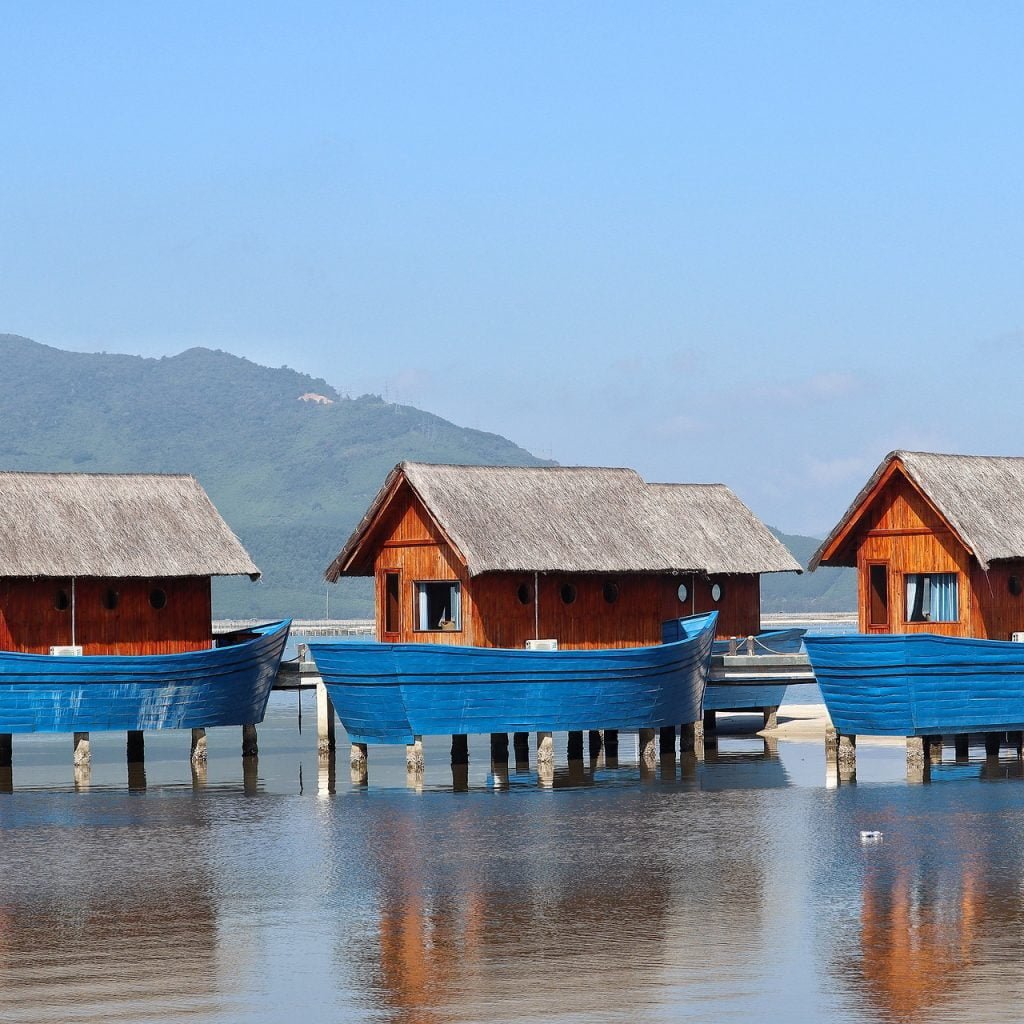
Some people like to stay by the beach, while others prefer river views. Anantara Hoi An awaits those with the latter preference. The rooms are decorated in classic colonial style and each has access to a private porch and outdoor seating area overlooking the Thu Buon River or the hotel garden. Start the day with a swim in the pool before heading straight to the spa, steam room, and hamam. An assortment of indoor and outdoor restaurants cater to every taste, and the hotel even offers cultural activities like traditional Chinese painting and lantern-making workshops.
The Four Seasons Hoi An – The Nam Hai – offers service and style to a superlative degree. The villas here are spacious enough to include walk-in closets and rain-shower bathrooms. The expansive grounds include a library, three different swimming pools, and an entire watersports center. Work up a sweat on the badminton, basketball, or tennis courts and then cool down at the spa. The Nam Hai will help organize a private retreat that grants a guest’s every wish, including private butler service.

https://vietnam.travel/things-to-do/historic-hoi-an-melting-pot-of-cultures
Hoi An has a long history
Hoi An served as a major port city for more than 2000 years, growing from a small 2nd century Sa Huynh trading post into a powerful international trading center by the 16th century. It operated as the spice trading center of the Hindu Cham Kingdom, as a settling point for Ming Dynasty merchants and soldiers from China, and has hosted international trade between the Arab, European, and Asian worlds for centuries. The influx of money and goods, humans and ideas, have cooked Hoi An into a melting pot. Cham, Vietnamese, Chinese, Japanese, and European influence all bubble at the surface here.
Declared a UNESCO World Heritage Site in 1999, the ancient core of the city has retained its original architecture and urban planning. The wooden houses and quaint storefronts are painted a moody yellow, bougainvillea vines bursting from French balconies. Cobbled streets wind alongside canals. Women in ao dai bicycle beneath dangling colored lanterns. Young couples stroll along the Thu Bon River, where merchant ships once sailed laden down with worldly goods and adventure.
Learn Culture Through Immersion
Explore Hoi An’s dynamic history through its architecture. Dainty French balconies hang beside ornate Chinese temples. Buddhist temples are scattered through the city and a collection of Hindu temples lie along its outskirts. Spend the morning on a beach with modern comforts within reach and then cycle through rice paddies towards Cam Nam Island where rural life goes on much as it has for generations.
The Old Town (also known as the Ancient Town) is arguably the most important cross-section of Hoi An. Though people talk about the Old Town as though it was an outdated museum of Vietnam “frozen in time,” it’s important to remember that the Old Town is very much a real place, where people have preserved their habits and customs in a way that feels surprisingly authentic. It’s fun to visit by day, people-watching while sipping on coffee. But the Old Town comes to life at night, when the quarter glows with soft lantern light and laughing families lean their bicycles against faded yellow paint to snack on street food and watch the river.
At the center of the Ancient Town is the Japanese Bridge, so relevant to the city’s heritage that it’s depicted on the 20,000 VND note. The Japanese Bridge is the only covered bridge in the world to house a Buddhist temple and remains a central spiritual landmark outside of its tourist draw.
The ancient houses of Hoi An are where architectural influences meet. Tan Ky is one of the most famous among these. Built in the 18th century, Tan Ky remains a private home with the descendants of its original family living upstairs. The spectacular bottom floor draws diplomats and politicians alongside ordinary travelers into its magic. It’s possible to visit independently to marvel at the home’s ornate antiques and carvings, but booking a tour is the best way to understand the seven generations of history that flourished here. A tour guide can also ensure guests don’t miss details like poetry written in mother-of-pearl inlays and symbolic architecture representing the philosophical relationships between heaven and earth.
Assembly Halls continue the journey. The Phuc Kien Assembly Hall is the most famous among them. Constructed as a community space and spiritual sanctuary for a Chinese migrant community in the 17th century, the Phuc Kien Assembly Hall continues to serve as a spiritual center for locals. Walk through the towering front gateway under carvings of Chinese mythology into a central courtyard where Vietnamese women pray for fertility amidst a pantheon of statues of Chinese mythological figures and midwives.
Head to any museum to go deeper. The Museum of History and Culture is a good place to start for a more comprehensive understanding of two thousand years of history. Other museums, like the Museum of Trade Ceramics and the Museum of Folklore, honor traditional handicrafts like pottery and traditional performance.
Ancient Hoi An Offers Accessible Wellness
Hoi An offers some of the greatest access to wellness tourism experiences in Vietnam. Days in Hoi An – for locals as well as foreigners – seem to be spent at a slower pace. Time spent in Hoi An is for recharging through relaxed cultural immersion. Cooking classes are popular, as are workshops teaching traditional handicrafts like lantern making and ceramics. Accomodation options are available for every budget, but travelers seeking access to wellness facilities should look for hotels and resorts that offer spas, massages, gyms, and saunas.
Sunrise Hoi An Resort sits right on Cua Dai beach, and guests have access to their own private beach in addition to massages, yoga classes, tennis courts, and a hot tub. Rooms have a view of the ocean or of the lush garden, so guests can feel immersed in nature even during a stay in such a clean environment of modern comforts.
Some people like to stay by the beach, while others prefer river views. Anantara Hoi An awaits those with the latter preference. The rooms are decorated in classic colonial style and each has access to a private porch and outdoor seating area overlooking the Thu Buon River or the hotel garden. Start the day with a swim in the pool before heading straight to the spa, steam room, and hamam. An assortment of indoor and outdoor restaurants cater to every taste, and the hotel even offers cultural activities like traditional Chinese painting and lantern-making workshops.
The Four Seasons Hoi An – The Nam Hai – offers service and style to a superlative degree. The villas here are spacious enough to include walk-in closets and rain-shower bathrooms. The expansive grounds include a library, three different swimming pools, and an entire watersports center. Work up a sweat on the badminton, basketball, or tennis courts and then cool down at the spa. The Nam Hai will help organize a private retreat that grants a guest’s every wish, including private butler service.
https://vietnam.travel/things-to-do/historic-hoi-an-melting-pot-of-cultures
Hoi An has a long history
Hoi An served as a major port city for more than 2000 years, growing from a small 2nd century Sa Huynh trading post into a powerful international trading center by the 16th century. It operated as the spice trading center of the Hindu Cham Kingdom, as a settling point for Ming Dynasty merchants and soldiers from China, and has hosted international trade between the Arab, European, and Asian worlds for centuries. The influx of money and goods, humans and ideas, have cooked Hoi An into a melting pot. Cham, Vietnamese, Chinese, Japanese, and European influence all bubble at the surface here.
Declared a UNESCO World Heritage Site in 1999, the ancient core of the city has retained its original architecture and urban planning. The wooden houses and quaint storefronts are painted a moody yellow, bougainvillea vines bursting from French balconies. Cobbled streets wind alongside canals. Women in ao dai bicycle beneath dangling colored lanterns. Young couples stroll along the Thu Bon River, where merchant ships once sailed laden down with worldly goods and adventure.
Learn Culture Through Immersion
Explore Hoi An’s dynamic history through its architecture. Dainty French balconies hang beside ornate Chinese temples. Buddhist temples are scattered through the city and a collection of Hindu temples lie along its outskirts. Spend the morning on a beach with modern comforts within reach and then cycle through rice paddies towards Cam Nam Island where rural life goes on much as it has for generations.
The Old Town (also known as the Ancient Town) is arguably the most important cross-section of Hoi An. Though people talk about the Old Town as though it was an outdated museum of Vietnam “frozen in time,” it’s important to remember that the Old Town is very much a real place, where people have preserved their habits and customs in a way that feels surprisingly authentic. It’s fun to visit by day, people-watching while sipping on coffee. But the Old Town comes to life at night, when the quarter glows with soft lantern light and laughing families lean their bicycles against faded yellow paint to snack on street food and watch the river.
At the center of the Ancient Town is the Japanese Bridge, so relevant to the city’s heritage that it’s depicted on the 20,000 VND note. The Japanese Bridge is the only covered bridge in the world to house a Buddhist temple and remains a central spiritual landmark outside of its tourist draw.
The ancient houses of Hoi An are where architectural influences meet. Tan Ky is one of the most famous among these. Built in the 18th century, Tan Ky remains a private home with the descendants of its original family living upstairs. The spectacular bottom floor draws diplomats and politicians alongside ordinary travelers into its magic. It’s possible to visit independently to marvel at the home’s ornate antiques and carvings, but booking a tour is the best way to understand the seven generations of history that flourished here. A tour guide can also ensure guests don’t miss details like poetry written in mother-of-pearl inlays and symbolic architecture representing the philosophical relationships between heaven and earth.
Assembly Halls continue the journey. The Phuc Kien Assembly Hall is the most famous among them. Constructed as a community space and spiritual sanctuary for a Chinese migrant community in the 17th century, the Phuc Kien Assembly Hall continues to serve as a spiritual center for locals. Walk through the towering front gateway under carvings of Chinese mythology into a central courtyard where Vietnamese women pray for fertility amidst a pantheon of statues of Chinese mythological figures and midwives.
Head to any museum to go deeper. The Museum of History and Culture is a good place to start for a more comprehensive understanding of two thousand years of history. Other museums, like the Museum of Trade Ceramics and the Museum of Folklore, honor traditional handicrafts like pottery and traditional performance.
Ancient Hoi An Offers Accessible Wellness
Hoi An offers some of the greatest access to wellness tourism experiences in Vietnam. Days in Hoi An – for locals as well as foreigners – seem to be spent at a slower pace. Time spent in Hoi An is for recharging through relaxed cultural immersion. Cooking classes are popular, as are workshops teaching traditional handicrafts like lantern making and ceramics. Accomodation options are available for every budget, but travelers seeking access to wellness facilities should look for hotels and resorts that offer spas, massages, gyms, and saunas.
Sunrise Hoi An Resort sits right on Cua Dai beach, and guests have access to their own private beach in addition to massages, yoga classes, tennis courts, and a hot tub. Rooms have a view of the ocean or of the lush garden, so guests can feel immersed in nature even during a stay in such a clean environment of modern comforts.
Some people like to stay by the beach, while others prefer river views. Anantara Hoi An awaits those with the latter preference. The rooms are decorated in classic colonial style and each has access to a private porch and outdoor seating area overlooking the Thu Buon River or the hotel garden. Start the day with a swim in the pool before heading straight to the spa, steam room, and hamam. An assortment of indoor and outdoor restaurants cater to every taste, and the hotel even offers cultural activities like traditional Chinese painting and lantern-making workshops.
The Four Seasons Hoi An – The Nam Hai – offers service and style to a superlative degree. The villas here are spacious enough to include walk-in closets and rain-shower bathrooms. The expansive grounds include a library, three different swimming pools, and an entire watersports center. Work up a sweat on the badminton, basketball, or tennis courts and then cool down at the spa. The Nam Hai will help organize a private retreat that grants a guest’s every wish, including private butler service.
https://vietnam.travel/things-to-do/historic-hoi-an-melting-pot-of-cultures

Hello There. I found your blog using msn. This is a very
well written article. I’ll be sure to bookmark it
and return to read more of your useful info. Thanks for the
post. I will certainly return.
This post is invaluable. How can I find out more?
Whoa! This blog looks just like my old one! It’s on a completely different subject but
it has pretty much the same layout and design. Wonderful choice of colors!
Had a bit of trouble with other sites but the login process here is a breeze. Everything works perfectly on my mobile phone. Check out smjililogin if you want a hassle free start.
The variety of games is amazing. I spent the whole evening exploring different slots and won a decent amount. Great job ph178jili
Great blog! Do you have any tips and hints for aspiring writers?
I’m planning to start my own website soon but I’m a little lost on everything.
Would you advise starting with a free platform like WordPress or
go for a paid option? There are so many choices out there
that I’m completely confused .. Any recommendations?
Many thanks!
The login process is super fast and the security makes me feel safe with my deposits. I’m really enjoying my time on jiliph6loginapp so far.
Solid experience all around. No glitches, easy navigation, and the rewards are actually attainable. Highly suggest win444top for anyone starting out.
If yoou deskre too grow yourr knowlsdge onlky kwep visiting this skte and be updasted witth the moost
recent informaztion posted here. xnxx
The bonuses here are actually legit and not just bait. I managed to snag a decent win using the welcome offer. gamey088 is definitely worth the hype.
Finally found a link that actually works without any glitches. The login process is seamless. Cheers to brazino777login for the great service.
Today, I went to the beach with my children. I found a sea shell and gave
it to my 4 year old daughter and said “You can hear the ocean if you put this to your ear.” She put the shell to her ear and screamed.
There was a hermit crab inside and it pinched her ear. She
never wants to go back! LoL I know this is entirely off topic but I had to tell someone!
Just having a blast on this site! The community is great and the winning streaks are feeling real today. So much fun at br777betfun
A hidden gem for sure. The game selection is top notch and the win rate feels fair. Check out brttt7774 if you are looking for something fresh.
When I initially commented I clicked the “Notify me when new comments are added” checkbox and now each time a comment is added I get three emails with the same
comment. Is there any way you can remove me from that service?
Bless you!
Greetings! Very helpful advice within this article! It is the little changes which will
make the greatest changes. Thanks for sharing!
Hey just wanted to give you a quick heads up and let
you know a few of the images aren’t loading
properly. I’m not sure why but I think its a
linking issue. I’ve tried it in two different browsers and both
show the same outcome.
Hello it’s me, I am also visiting this website daily, this web site
is truly fastidious and the viewers are actually sharing
fastidious thoughts.
1win зеркало сайта, 1win – это актуальная альтернатива для пользователей,
которые сталкиваются с проблемами доступа.
my website; https://1win-et7tp.xyz
Good day! I simply want to give you a big thumbs up for
your excellent information you’ve got right here on this
post. I will be returning to your site for more soon.